

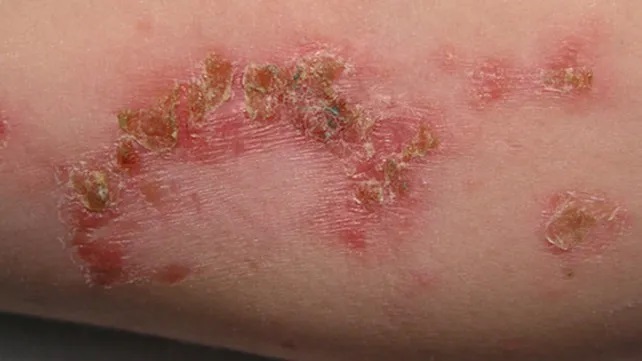
Skin infections can be caused by fungus, bacteria or viruses. Skin infestations can be caused by parasites.
Some common skin infections and infestations include:
Fungal infections (also known as ringworms) are common in the tropics. It can affect the feet (athlete’s foot), skin folds (groins, buttock, armpits) and may affect the scalp and nails as well. Fungal testing can be done to confirm the diagnosis. Once confirmed, fungal infection can be treated with topical anti-fungal cream or Oral anti-fungal medications.
Viral wart is one of the most common viral skin infections that we see at the clinic. Viral warts are caused by human papilloma viruses. They can affect any part of our skin, commonly found on the hands, feet and face. They may appear as flat or raise and rough or “cauliflower”-like growths. If the wart occurs on the soles or toes, it can be painful from the pressure of standing and walking. Warts are contagious and may spread from one part of the body to another or to other people. Warts on the genital skin are usually sexually transmitted.
At our clinic, our treatment options for viral warts are comprehensive, including cryotherapy (liquid nitrogen) therapy, electrocautery, surgery, laser ablation and topical therapy.
Shingles, also known as herpes zoster is an infection that causes painful blistering rash. It is caused by varicella-zoster virus, the same virus that causes chickenpox. After a person has had chickenpox, the virus remains in the body. It can be reactivated later and cause shingles if someone’s immune system is lowered. This can be because of stress, certain conditions, or treatments that weakens the immune system. You cannot spread shingles to others. But people who have not had chickenpox before could catch chickenpox from you.
The first symptom is usually a burning pain or tingling sensation in an area of the skin. Red rash and blisters may then appear few days later. Oral antiviral treatment is usually prescribed to help shingles clear faster and to reduce the pain. Post-herpetic neuralgia is a condition in which constant pain persist for a long time after shingles has healed. Certain painkillers can be used to relieve the pain. Shingles vaccine is available to help reduce your risk of getting shingles. If you get shingles after being vaccinated, the symptoms can be much milder.
Cold sores are caused by a virus called herpes simplex virus (HSV). Typically, it causes a tingling sensation or an itch before the blisters appear, usually around the lips or nose. Cold sores can be very tender and painful. Cold sores are infectious and until the cold sores have ‘scabbed over’ and are completely dry, the cold sore can be spread to other people. Once you have the virus, it will remain inactive and stays in your skin for the rest of your life and can cause another cold sore sometime in the future. HSV may be reactived and causes cold sores during feverish illness such as colds, cough and flu, stressful periods or during menstruation.
Cold sores are common and usually clear up on their own within 10 days. But oral or topical antiviral can be prescribed to relieve the symptoms of severe cold sore infections, in newborn babies, or in people who have a poor immune system and for those who have recurrent cold sores infections.
Molluscum contagiosum is caused by a pox virus. It is a common viral skin
infection of childhood that causes localised clusters of skin coloured spots or bumps. Molluscum contagiosum is contagious. It is usually passed on by direct skin to skin contact. In adults, the infection can spread through sexual contact. Molluscum contagiosum may be treated by cryotherapy (liquid nitrogen) freezing, pricking, electrocauterisation or applying a medicated cream.
Bacteria can gain entry into our skin through small cuts or through frequent scratching for example, in people with eczema or who had insect bite reactions.
Common bacterial skin infections include impetigo, folliculitis, boils, abscesses, and cellulitis / erysipelas. Bacterial infections are generally treated with oral or topical antibiotics. We will assess your condition and depending on the clinical presentation, severity, sites and frequency, we will discuss the right management plans for you.
Scabies is a common skin parasitic infestation caused by Sarcoptes scabiei var. hominis mite. It is highly contagious and is passed from person to person by skin-to-skin contact. People who live or work closely together in nurseries, university halls of residence, hospitals or nursing homes are more at risk.
Scabies presents as a rash with intense itching. It may have a characteristic appearance and distribution and usually present on the hands, skin folds, genitalia and buttocks. Scabies can be treated with topical medication. Oral medication may sometimes be necessary for severe cases. It is important to treat all close contacts of a confirmed case of scabies together to achieve complete eradication to prevent re-infection.


